Moving near Barnehurst Station: Local route & parking tips
Posted on 26/05/2026
Moving near Barnehurst Station: Local route & parking tips
Moving close to a railway station can be deceptively simple on paper and awkward in real life. Barnehurst Station is a good example: busy commuter rhythms, limited stopping space, narrow residential roads, and the need to keep everything moving on time. If you are planning a house move, flat move, or even a same-day delivery near the station, the right route plan and parking setup can save you a lot of stress.
This guide breaks down the practical side of moving near Barnehurst Station: local route & parking tips. You will find sensible route-planning advice, parking ideas for removal vans, timing advice for busy streets, and the small details that make a move feel controlled instead of chaotic. If you are also preparing items for transport, it is worth looking at packing and boxes support in Barnehurst and man and van services in Barnehurst as part of your planning.
Truth be told, most moving delays near stations are not caused by the furniture itself. They happen because the van cannot get close enough, the parking plan is vague, or the access route was never checked properly. The good news? Those are all manageable.
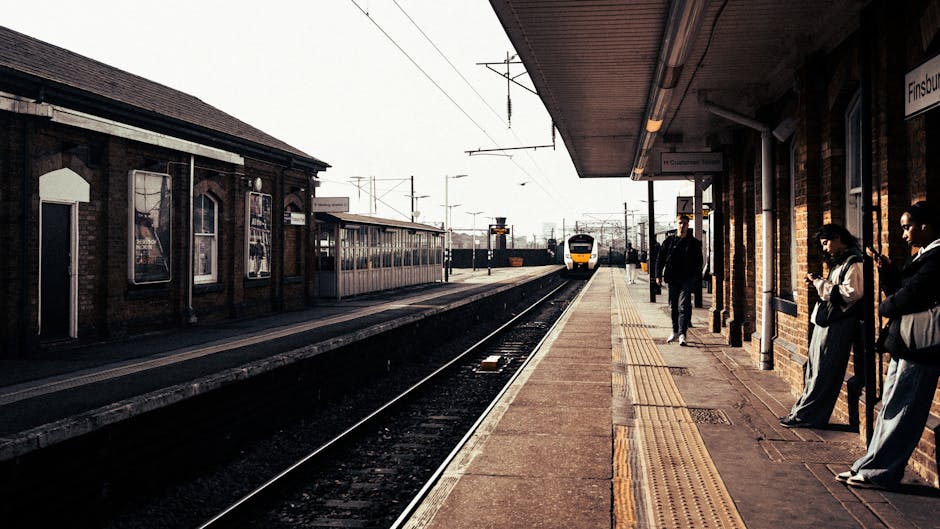
Why Moving near Barnehurst Station: Local route & parking tips Matters
Station-adjacent moves are all about access. The closer you are to the station, the more likely you are to face a mix of parked cars, pedestrian footfall, tight turns, and time-sensitive loading windows. Even if the actual journey is short, the loading phase can become the bottleneck.
That matters for a few clear reasons:
- Keeping costs under control: delays can increase labour time and create avoidable extra handling.
- Protecting your belongings: longer carries from vehicle to door increase the risk of bumps and drops, especially for heavier furniture.
- Reducing neighbourhood disruption: a planned arrival and quick unload is far better than blocking a road while everyone improvises.
- Making the day calmer: a good route and parking plan gives everyone a clearer job, which is surprisingly powerful on moving day.
Barnehurst Station also shapes the rhythm of the surrounding streets. Commuter peaks, school runs, and local parking habits can all influence where a van can safely wait. If you have moved before, you will know that "there is somewhere nearby" is not the same thing as "there is a practical place for a removal vehicle to stop."
Expert summary: In tight local moves, the best plan is not always the shortest drive. It is the plan that gives the van the safest stop, the shortest carry, and the fewest surprises.
How Moving near Barnehurst Station: Local route & parking tips Works
A good station-area move usually follows the same pattern: check the access route, identify the loading point, confirm parking or stopping options, and match the vehicle size to the street layout. That sounds simple, but each step needs attention.
1. Route planning starts before moving day
Start by tracing the likely route from the van's approach road to your property. Look at turning points, one-way sections, parked-car pinch points, and whether the road can handle a larger removal van or only a compact vehicle. If your move involves bulky furniture, a larger van may be efficient overall, but only if it can actually approach the property without repeated manoeuvres.
If you are unsure how much vehicle space your move really needs, a local service such as a removal van in Barnehurst or furniture removals in Barnehurst can help you match the load to the access conditions.
2. Parking is a logistics decision, not an afterthought
Near a station, parking is often the hardest part of the move. You may need to think in terms of temporary loading, short stays, or a nearby legal bay rather than a perfect doorway stop. The aim is not to park directly outside at all costs; it is to place the van as close as possible while staying legal, safe, and considerate.
In practical terms, parking choices often come down to three possibilities:
- Direct front-of-property loading: ideal if space is available and lawful.
- Near-side loading bay or wider curb section: useful when immediate frontage is blocked or unsuitable.
- Short carry from a side street: common in busier residential pockets where the van cannot sit at the front door.
3. Timing can matter as much as location
Even a perfect parking spot can become awkward during commute windows. If the area around the station is busier in the morning and late afternoon, it may be worth scheduling the move for a quieter mid-morning or early afternoon slot. This reduces pressure on both the road and the crew.
4. Access from road to door needs a reality check
Look at the full path: pavement width, kerb height, front steps, hallway turns, and whether there are gates or tight front gardens. A few metres of awkward access can be more demanding than an extra ten minutes of driving. That is why moves near stations benefit from a proper pre-move visit or at least a very clear video walk-through.
Key Benefits and Practical Advantages
When the route and parking plan is handled properly, the benefits are immediate. The day feels organised rather than reactive, and that changes everything.
- Shorter loading times: less waiting means a faster, cleaner handover.
- Lower strain on movers: fewer long carries reduce fatigue and improve handling.
- Better protection for items: fewer handovers and fewer awkward turns mean less opportunity for damage.
- Fewer complaints from neighbours: a tidy loading arrangement tends to keep everyone happier.
- More accurate quotes: when access is clear, estimates are usually more realistic.
There is also a hidden benefit: confidence. Once you know where the vehicle will stop and how the route will work, the rest of the move becomes easier to sequence. Packing, key handover, and final checks all flow better when the logistics are sorted.
For readers who want to reduce move-day pressure overall, our guide on moving with less stress pairs well with the practical planning in this article.
Who This Is For and When It Makes Sense
This kind of planning is not just for large house moves. It is especially useful for anyone moving in or out of a property close to Barnehurst Station where street access is constrained.
- Flat movers: if you are dealing with upper floors, shared entrances, or narrow communal areas.
- Families: if you have lots of boxes, children's furniture, and a moving day timetable to keep.
- Students or first-time renters: if you need a simple, cost-aware move with minimal disruption.
- Busy professionals: if your move has to fit around commuting or work commitments.
- Anyone with bulky items: sofas, wardrobes, beds, pianos, and appliances need better access planning.
If you are moving a one-bedroom flat, the route and parking question can be just as important as it is for a larger house. In fact, compact city-style moves are often more sensitive to parking because every minute of van access counts. For that reason, a service like flat removals in Barnehurst can be a practical option when access is tight and speed matters.
Step-by-Step Guidance
Step 1: Walk the access route yourself
Start at the pavement and walk through to the rooms that matter. Notice where furniture will need to turn, where you may need to pause, and whether stairs or doorframes create any pinch points. If you can, take a few photos or a short phone video. Those details help a mover judge the true access conditions.
Step 2: Decide what vehicle size is realistic
Do not choose a vehicle based only on how much it can carry. A larger van may be efficient for volume, but a smaller vehicle can sometimes be better if roads are narrow or parking is limited. Around station areas, flexibility often beats brute capacity.
Step 3: Identify your best parking option
Look for legal stopping points close to the property, then rank them by convenience and risk. The best option is usually the one that keeps the carry short without obstructing traffic or breaching local restrictions. If a loading bay is available, check whether it can be used for the likely duration of the move.
Step 4: Build the move around quieter times
Try to avoid the most congested periods around the station. A modest shift in timing can make a big difference. Even if you can only move part of the day, separating the load into two phases can be more effective than fighting traffic and parking pressure in one rushed block.
Step 5: Prepare bulky or delicate items separately
Heavy and fragile items should be ready before the vehicle arrives. That means disassembly where needed, wrapping, labelling, and a clear path to the door. For guidance on handling heavier household items, our articles on moving heavy objects safely and kinetic lifting basics are useful companions.
Step 6: Assign simple roles on the day
One person should manage the door or access point, another should guide placement if the van has to reverse or angle into a tight space, and someone else should track the final items. Even with a small team, clear roles reduce the classic moving-day shuffle where everyone is half-helping and nobody is fully in charge.
Step 7: Leave a margin for the unexpected
A blocked bay, a late arrival, or a neighbour's car can change the plan. Build in a buffer rather than assuming everything will go perfectly. That little bit of slack can be the difference between a steady move and a stressful one.
Expert Tips for Better Results
These are the kinds of small details that make a real difference near a station.
- Use the shortest safe carry, not just the closest-looking spot. A spot that is 20 metres further away but easier to use may save time overall.
- Pre-label items by room. That reduces repeat handling and speeds up unloading.
- Check for shared access. Communal entrances, shared driveways, or narrow side paths may require extra courtesy and coordination.
- Keep essential items separate. Documents, chargers, keys, medication, and a kettle should not be buried in the last box on the van.
- Protect corners and doorframes. A few simple covers or blankets can prevent easy damage in tight hallways.
One practical tip that is often overlooked: speak to neighbours in advance if you expect a van to stop briefly outside. A quick heads-up can prevent misunderstandings, especially in roads where parking spaces are already in short supply.
For furniture-heavy jobs, it can also help to read about moving beds and mattresses more efficiently and why DIY piano transport can go wrong before the move date.
Common Mistakes to Avoid
Most local moving problems near stations are predictable. The challenge is that people often only notice them once the van has arrived.
- Assuming there will be space outside: never rely on luck in a busy residential area.
- Ignoring time-of-day traffic: station traffic patterns can turn a simple stop into a slow one.
- Choosing a van that is too large for the street: capacity is useful only if the vehicle can actually approach safely.
- Leaving packing until the last minute: this creates pressure exactly when you need calm and order.
- Forgetting about access at both ends: your old place and your new place both need a workable loading plan.
- Not planning for rainy weather: one wet run with cardboard boxes is enough to appreciate how quickly things can go downhill.
Another common mistake is underestimating the time needed to move bulky items. A sofa or wardrobe may look like a single unit, but in practice it often takes planning, wrapping, and careful manoeuvring. If storage is part of the plan, it is worth reviewing sofa storage care and freezer storage preparation so items stay in good condition.
Tools, Resources and Recommendations
You do not need a complicated toolkit, but the right basics can make the move much smoother.
| Tool or resource | Why it helps | Best used for |
|---|---|---|
| Measuring tape | Confirms whether furniture and corridors will fit | Route planning and furniture checks |
| Furniture blankets | Helps protect finishes and edges | Sofas, tables, wardrobes, appliances |
| Labels and marker pens | Makes unloading faster and more organised | Boxing and room allocation |
| Phone photos or video | Shows access constraints clearly | Quotations and route review |
| Trolley or sack truck | Reduces lifting strain on suitable items | Boxes, appliances, heavier loads |
| Local parking plan | Prevents last-minute guesswork | Station-area loading |
For a broader planning perspective, expert packing advice and pre-move decluttering guidance can help you reduce volume before you even reach moving day.
If you are looking at a fuller service package, browse the wider services overview to see how local support can fit around your access needs. And if your move needs to happen quickly, same-day removals in Barnehurst can be worth considering for time-sensitive jobs.
Law, Compliance, Standards, or Best Practice
For most domestic moves, the key compliance points are straightforward: park legally, avoid obstruction, and handle items safely. But station-area moves do bring a few important best-practice considerations.
- Parking and waiting: follow local restrictions, loading rules, and any signage that applies to the street.
- Access and obstruction: keep pavements, driveways, and emergency access routes clear where possible.
- Manual handling: use sensible lifting practices and do not overcommit to loads that are too heavy or awkward for one person.
- Property care: protect communal hallways, stairwells, and shared areas from scuffs and damage.
- Insurance awareness: check what cover applies to your belongings and the move itself, especially for valuable or fragile items.
If you want reassurance on that last point, a clear understanding of insurance and safety arrangements is a sensible part of choosing any removal service. For anyone comparing operators, local removal companies in Barnehurst can be assessed not just on price, but on how well they manage access, safety, and communication.
There is no need to overcomplicate the legal side, but do not treat parking or lifting as minor details. They are central to a safe, efficient move.
Options, Methods, or Comparison Table
When moving near Barnehurst Station, most people choose one of three approaches. The right choice depends on volume, access, and how much help you want.
| Method | Best for | Pros | Trade-offs |
|---|---|---|---|
| Do-it-yourself van hire | Small, flexible moves with good access | Can be economical; full control over timing | You manage parking, lifting, and route problems yourself |
| Man and van service | Smaller to medium moves near tight streets | Flexible, practical, less stressful at the kerbside | May still need careful scheduling and clear access instructions |
| Full removal service | Flats, family homes, or heavier loads | More support, better handling of bulky items, less manual effort | Usually requires more coordination and cost planning |
If you are comparing your options, it is worth remembering that the cheapest solution is not always the most efficient. A vehicle that cannot stop close enough, or a team that has not planned around local parking, can end up costing you more in time and effort. For a practical balance, many people prefer man with a van in Barnehurst because it suits compact local moves without overcomplicating the day.
Case Study or Real-World Example
Imagine a typical two-bedroom flat move near the station. The property sits on a residential road with limited curb space and a steady flow of parked cars. The occupants have a sofa, a bed, a dining table, several boxes, and a couple of awkward appliances.
A rushed plan would usually go like this: the van arrives, there is nowhere obvious to stop, people start shifting cars around, and the unloading point is still uncertain. Half an hour later, the mood is already fraying.
A better plan looks different:
- The route is checked in advance to avoid the narrowest turn if possible.
- The mover is told exactly which side street offers the best loading position.
- Bulky items are wrapped and ready before arrival.
- The team loads the largest pieces first so the carry is efficient.
- The final box run is done after the van is in place, rather than with everyone waiting around.
The difference is not dramatic in theory, but in practice it is huge. The whole move feels more relaxed, the risk of scratches and knocks falls, and the van spends more time moving items than waiting for space. That is usually the sign of a well-run local move.
Practical Checklist
Use this checklist the day before and the morning of the move.
- Confirm the full route to the property and check for any road layout issues.
- Identify the best legal parking or loading point near the building.
- Measure large furniture and compare it with doors, stairs, and hallways.
- Separate fragile items and label them clearly.
- Keep essential documents, keys, and chargers in one easy-to-reach bag.
- Protect floors, corners, and doorframes where needed.
- Tell neighbours or building management if access may temporarily be affected.
- Check the weather and have covers ready if rain is likely.
- Set a realistic start time that avoids the busiest local traffic windows.
- Review insurance, safety, and any special handling needs for valuable items.
If you still need help with the packing side, packing and boxes support can reduce last-minute scrambling, especially when the move involves narrow access and a strict timetable.
Conclusion
Moving near Barnehurst Station is less about distance and more about access. If you get the route, parking, timing, and loading plan right, the rest of the move becomes much easier to manage. That applies whether you are shifting from a flat, a family house, or a compact rental close to the station.
The main takeaway is simple: treat route planning and parking as part of the move itself, not as a detail to sort out later. A little preparation now can save time, reduce lifting strain, and help you avoid the small frustrations that make moving day feel bigger than it needs to be.
For a smoother local move, it also helps to use the right support. Whether you need flexible transport, careful handling of furniture, or full moving assistance, planning early will usually give you the best result.
Get a free quote today and see how much you can save.