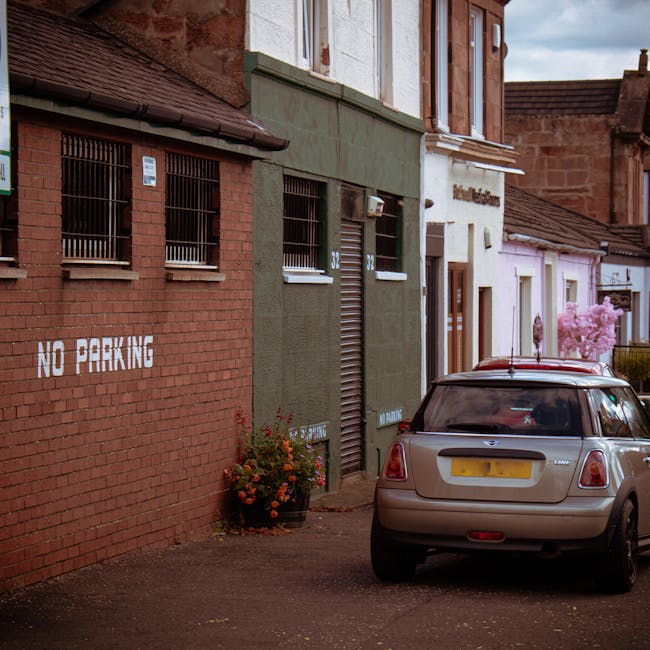
Parking fines during moves in DA7: How to avoid penalties
Moving day can feel like a relay race with boxes, tape, door stops, and one van that always seems a little too big for the space you have. In DA7, that pressure can turn into a parking penalty faster than people expect. A perfectly ordinary move can go sideways if the vehicle blocks a bay, sits on a restriction, or overstays a loading window by just a few minutes. If you are trying to avoid parking fines during moves in DA7, the good news is that most penalties are preventable with a bit of planning, some local awareness, and a calm, practical approach.
This guide walks you through how parking rules affect home and office moves, where the risk usually appears, and what you can do before the van turns up. You will also find a step-by-step process, a checklist, a comparison table, and answers to the questions people ask most often. To be fair, parking on moving day is rarely the glamorous part. But it is one of the easiest parts to get right.
Table of Contents
- Why parking fines during moves in DA7 matter
- How parking rules and moving-day enforcement work
- Key benefits of planning ahead
- Who this is for and when it makes sense
- Step-by-step guidance
- Expert tips for better results
- Common mistakes to avoid
- Tools, resources and recommendations
- Law, compliance, standards and best practice
- Options and comparison table
- Case study or real-world example
- Practical checklist
- Conclusion
- Frequently asked questions
Why parking fines during moves in DA7 matter
A parking ticket on moving day is more than an annoyance. It can slow the whole schedule, create stress at the worst moment, and add a cost you were probably not budgeting for. In a busy area like DA7, where residential roads, side streets, driveways, and loading spaces can all be competing for attention, one small parking mistake can cascade into delays for the van, the removals crew, and your own unpacking plan.
The problem is not just the fine itself. If a van has to park farther away, the moving team may need to carry items longer distances. That can make a straightforward move harder on everyone. You also risk extra waiting time, awkward neighbour relations, or a rushed loading job where fragile items are more likely to be damaged. Nobody wants to be carrying a washing machine while wondering whether a permit was needed. Not exactly a peaceful start to a new chapter.
There is also a trust element. When a move looks organised, everything tends to feel more under control. When parking is left to chance, the whole day can feel reactive. That is why parking planning belongs right alongside packing, labelling, and choosing the right removal help. If you are arranging a full household move, it may also be worth looking at home moves support or even broader removal services so the transport side is handled professionally from the start.
How parking rules and moving-day enforcement work
Parking restrictions are usually straightforward in principle, but moving day tends to expose all the little details people forget. A bay can be time-limited. A yellow line can be active at specific times. A dropped kerb can still cause problems if the vehicle obstructs access. A council officer or enforcement team does not normally care that you are carrying boxes and a kettle; they care whether the vehicle is parked legally.
In practical terms, a moving vehicle may be subject to the same rules as any other vehicle. In some places, a loading exemption or temporary arrangement may apply, but that is not something to assume. You need to check before the van arrives. And, truth be told, if you are moving in a London postcode like DA7, that check should happen earlier than you think.
The biggest moving-day risks usually come from these situations:
- Parking on single or double yellow lines without checking whether loading is allowed.
- Using a resident bay or permit bay without permission.
- Blocking a driveway, crossover, or access point.
- Stopping on a narrow road where the van partly obstructs traffic flow.
- Overrunning a time-restricted loading window because the job took longer than expected.
- Assuming the driver can just "nip in for ten minutes" and everything will be fine. That is how people end up paying for a very expensive ten minutes.
A sensible moving plan treats parking as part of the logistics, not as an afterthought. If you are hiring a vehicle, it helps to choose the right size too. Sometimes a slightly smaller van is easier to park, easier to unload, and less likely to cause friction on a tight residential road. For that sort of planning, a man with van or a moving van can be a better fit than a larger vehicle, depending on what you are moving.
Key benefits and practical advantages
Planning parking properly is one of those unglamorous tasks that pays off immediately. The benefits are practical, but they also reduce the emotional noise around moving day, which matters more than people admit.
- Fewer penalties: You lower the risk of receiving a ticket, notice, or enforcement charge.
- Smoother loading: The van can park closer to the property, saving time and effort.
- Less stress: You are not trying to improvise parking at 8:00 a.m. with movers waiting and neighbours watching.
- Better timing: When access is planned, the move is less likely to overrun.
- Safer handling: Shorter carries reduce the chance of dropping or damaging furniture.
- Cleaner communication: Everyone knows where the vehicle will go and how long it will stay there.
There is also a wider organisational benefit. Good parking planning tends to improve the rest of the move. Once you have checked space, access, and timing, you often find the packing plan gets sharper too. The boxes are stacked better. The fragile items are separated. The route from door to van is clearer. Small thing, but it matters.
If the move is business-related, the same logic applies. Office relocations often involve tighter building access, shared loading areas, and more people trying to use the same space. In those cases, the right support, such as office removals or commercial moves, can make parking coordination much easier.
Who this is for and when it makes sense
This topic is relevant to more people than you might think. If you are moving home, collecting furniture, relocating a small business, or helping a relative downsize, parking can become a real issue. It is especially relevant if the property sits on a narrow street, a permit-controlled road, or somewhere with limited off-street space.
You will benefit from a proper parking plan if any of the following apply:
- You live on a road with resident bays or controlled parking.
- Your building has no private driveway or loading area.
- You are moving during school-run hours, peak commuter times, or a busy market day.
- Your move involves large items such as wardrobes, sofas, or appliances.
- You are using a larger van, truck, or multiple vehicles.
- You need neighbours, building managers, or flatmates to cooperate on access.
It also makes sense if you are the sort of person who wants the day to feel organised rather than improvised. Some people can cope with a little chaos. Others really cannot. Both are fair. But parking is one area where a few simple actions save a lot of grief.
If you are comparing transport options, it can be helpful to think about access first and price second. A smaller vehicle, or a service that specialises in local moves, can sometimes be the smarter choice. You may want to compare man and van with removals depending on the size and complexity of the job.
Step-by-step guidance
The easiest way to avoid parking fines during moves in DA7 is to treat the parking arrangement as a mini project. Keep it simple, but be thorough. Here is a practical sequence that works.
- Check the road and access in advance. Look at the property frontage, nearby bays, any kerbs, and whether there is a place for the van to pause safely. Do this before moving week, not on the morning itself.
- Identify restrictions. Note any permit bays, yellow lines, loading only areas, time-limited restrictions, or signage that affects stopping. Read the signs carefully. People often glance, assume, and get caught out.
- Plan the van size. A huge vehicle is not always the best option. Sometimes the more compact solution is easier to position and less likely to attract enforcement attention.
- Reserve or arrange space where possible. If you have a private driveway, a shared forecourt, or a building-managed loading area, confirm it is available. If you need a neighbour to move a car, ask early and politely.
- Build time into the schedule. Loading always takes longer than people expect, especially with stairs, lifts, or awkward furniture. Give yourself a buffer so the vehicle does not overstay a limited stop.
- Keep documents to hand. If any parking permission, permit, or arrangement has been made, have proof available in case it is needed.
- Brief everyone involved. The driver, the movers, and the person coordinating the move should all know where the van is going and what the backup plan is if the space is taken.
- Have a fallback option. If the planned spot is unavailable, know where the next legal place is. Do not improvise under pressure.
That may sound like a lot, but honestly it is mostly common sense written down. The difference is that common sense disappears quickly when everyone is carrying boxes and the phone is buzzing.
If you want support with the packing side as well, packing and unpacking services can help the day run more smoothly, because the faster items are ready to load, the less time the vehicle spends parked.
Expert tips for better results
Here are the little details that make a big difference. They are the sort of things experienced movers tend to think about instinctively.
Start with the hardest access point. If the road is narrow or the parking is limited, solve that problem first. Everything else can be adjusted around it. It is easier to adapt packing than it is to invent a parking bay out of thin air.
Move bulky items first if space is tight. Sofas, wardrobes, and mattresses should usually be loaded early. That reduces the risk of running out of time while the largest items are still outside.
Keep the unloading path clear. Even if parking is legal, a cluttered path between door and van slows everything down. Clear prams, planters, bins, loose rugs, and anything else that turns a short carry into an obstacle course.
Use weather to your advantage. If rain is forecast, keep boxes sealed and plan for quicker hand-offs. Wet, slippy steps can slow the move enough to affect parking time. It sounds minor. It is not.
Speak to the driver like a logistics partner, not just a vehicle owner. A good moving driver will often spot parking issues before you do. If they suggest a different position, listen. They have probably seen this film before.
Keep your expectations realistic. The best parking plan still needs a bit of flexibility. Roads are shared spaces. Another car may take the spot, a delivery may appear, or a neighbour may move unexpectedly. The aim is to reduce risk, not pretend life is perfectly scripted.
For local or short-distance moves where speed and manoeuvrability matter, a smaller vehicle can be surprisingly effective. A man with a van or removal van can often navigate residential streets more easily than a larger truck. That is not always the answer, but it is often worth considering.
Common mistakes to avoid
Most parking penalties on moving day come from predictable mistakes. Once you know them, they become much easier to avoid.
- Leaving parking until the last minute. This is the big one. If the vehicle arrives and nobody knows where it can stop, you are already behind.
- Assuming loading gives unlimited freedom. Loading activity may help in some cases, but it is not a blank cheque. Restrictions still matter.
- Ignoring the signage because the street looks quiet. Quiet streets can still be heavily enforced. Often more than people expect.
- Using the wrong vehicle size. A van that is too large can create problems even if it is legally parked.
- Forgetting the neighbour factor. Blocking a shared drive or taking up a bay without a heads-up can cause conflict that slows the move.
- Underestimating how long the job takes. Boxes are never as light as they look. Somehow. Magic, probably not.
- Not having a backup plan. If the designated spot is unavailable, you need the next best legal option ready to go.
One small but common issue is assuming someone else has handled the parking side. Do not let that happen. Even if you have hired professionals, it helps to confirm exactly who is responsible for checking restrictions and what the plan is if access changes. Clarity saves money.
Tools, resources and recommendations
You do not need a stack of complicated tools to manage parking during a move. What you do need is a few reliable basics and a bit of discipline.
- Phone notes or a moving checklist: Keep the parking plan written down, including timings and backup spots.
- Photos of signs and access points: A quick photo can be useful if you need to remember restrictions or show the driver the layout.
- Maps and street view checking: A visual check helps you spot one-way systems, tight corners, and possible stopping points.
- Property or building contact details: If a managing agent or concierge needs to confirm access, keep their details ready.
- Basic tape or labels: Not a parking tool, strictly speaking, but better organisation means faster loading and less time parked.
If you are choosing a service provider, look for one that feels clear about process, insurance, and expectations. It is sensible to review insurance and safety information before booking. You should also check terms and conditions so you know where responsibility sits if timings, access, or parking arrangements change.
For pricing clarity, a transparent quote process helps you compare properly. You can review pricing and quotes to understand how the job is structured. That is especially useful if you are trying to balance access, van size, and budget without guessing.
Law, compliance, standards and best practice
This is one of those areas where it pays to be careful with assumptions. Parking rules can vary by street, bay type, borough, time of day, and signage. If a road is controlled, then the posted restrictions matter. If you are in doubt, do not gamble on a quick stop. A moving day is a poor time to discover that the "just for a minute" approach was not as clever as it felt.
Best practice is simple:
- Read the signs at the exact location where the vehicle will stop.
- Check whether loading is permitted and whether the restriction changes by time.
- Confirm any permit or permission in advance rather than on arrival.
- Leave a margin in the schedule so the vehicle can move if needed.
- Keep the move safe and do not block access routes or create hazards.
It is also worth noting that moving companies and van operators generally work best when they have clear instructions. If you hire a professional team, make sure they know whether the property has shared access, any narrow turning points, or neighbour sensitivity. That sort of local detail often matters more than people think.
For households wanting a fuller service, house removals or house movers can help coordinate the practical side of access and timing. For business premises, the same logic applies with office relocation services, where parking and loading windows can be even tighter.
Options and comparison table
If you are deciding how to manage parking for a move in DA7, it helps to compare the main approaches side by side. There is no single perfect answer, but some options suit certain situations better than others.
| Approach | Best for | Pros | Watch-outs |
|---|---|---|---|
| Self-managed parking | Simple moves with clear access | Flexible, low cost, easy to coordinate if you know the area | Higher risk if you miss a restriction or underestimate timing |
| Smaller van or man and van | Narrow roads, short-distance moves, limited bays | Easier to position, often quicker to load and unload | May need multiple trips for larger household contents |
| Full removals team | Larger homes, complex access, multiple rooms or floors | More hands, better speed, less heavy lifting for you | Parking still needs planning; bigger vehicles can be trickier |
| Pre-arranged loading access | Buildings with managed bays or private frontage | Most controlled option when available | Requires early coordination and confirmation |
In many real-world moves, the best answer is a mix of these. For example, a compact vehicle for the first load, plus a larger team for furniture, may be more practical than forcing one big vehicle into a restricted street. The point is to fit the parking situation, not fight it.
Case study or real-world example
Here is a realistic example. A family moving from a terraced property in DA7 had no driveway and a road with resident bays on both sides. They originally planned to use a larger van because it would mean fewer trips. Sensible on paper. Problem was, the street was tight, lunchtime traffic was busy, and the closest space could disappear in seconds.
Instead of taking a chance, they checked the road the day before, spoke to the driver, and agreed to use a slightly smaller van parked closer to the corner where stopping was legal. They also packed the essentials early, kept the path clear, and loaded the biggest items first. The move still took most of the morning, but it stayed calm. No fines. No rushed scramble. No last-minute drama.
And that is really the point. The aim is not perfection. It is reducing the number of things that can go wrong when everyone is already busy.
A different situation comes up with office relocations. One small business moving equipment and filing cabinets from a local premises found that the loading bay was shared and often occupied by delivery vehicles. They arranged a tighter timing window, used a vehicle suited to the space, and coordinated the load so the van was in and out quickly. Less fuss. Less risk. Much less muttering about parking, which is always a bonus.
Practical checklist
Use this checklist a day or two before the move. It is short, but it catches the most important points.
- Check the exact parking restrictions outside both properties.
- Confirm whether loading is allowed and at what times.
- Decide which vehicle size actually fits the street.
- Arrange any private space, permit, or building access needed.
- Tell neighbours, where appropriate, if access may be briefly affected.
- Plan the loading order so the van is not parked longer than necessary.
- Keep contact details for the driver and anyone managing access.
- Take photos of the parking signs and the frontage.
- Build a time buffer into the schedule.
- Prepare a backup parking location in case your first choice is taken.
Quick summary: the safest approach is to check the restrictions, choose the right vehicle, leave enough time, and keep everyone informed. That simple. Really.
If you are still comparing options, a local and flexible service such as removals near me can be a useful starting point, especially when you want someone who understands tight residential access and short notice changes.
Get a free quote today and see how much you can save.
Conclusion
Parking fines during moves in DA7 are usually avoidable, but only if you treat parking as part of the move rather than something to sort out on the fly. Check the road properly, understand the restrictions, choose a sensible vehicle, and leave enough time for the inevitable little delays that happen on moving day. That approach protects your budget, keeps the day moving, and makes the whole experience far less stressful.
In the end, a well-planned move feels quieter. Less rushing. Fewer surprises. A lot fewer reasons to stare at a ticket tucked under a wiper and think, well, that was avoidable.
With a bit of care and the right planning, you can keep the move smooth, legal, and refreshingly uneventful - which, on moving day, is honestly a very good outcome.
Frequently Asked Questions
Can I load a van on a yellow line during a move in DA7?
Sometimes loading may be permitted, but you should never assume it is allowed. Check the exact signage at the location and confirm the restriction times before you park. A short load is not automatically exempt.
How do I avoid parking fines when moving house in DA7?
Plan the parking before moving day, choose a vehicle that fits the street, check for resident bays or loading rules, and leave time to move the van if needed. The easiest fines to avoid are the ones you never invite.
Do I need a permit for a removals van?
It depends on the street, bay type, and local restrictions. Some roads require permission or a permit, while others allow limited loading. Always confirm the rules for the exact address, not just the general area.
Is a smaller van better for parking in DA7?
Often yes, especially if the road is narrow or spaces are limited. A smaller van can be easier to position and may reduce the time spent manoeuvring. That said, the right size depends on the amount you are moving.
What if someone else parks in the space I planned to use?
Have a backup spot ready. Do not force the issue by stopping somewhere risky or illegal. A little flexibility on the day is much better than a fine or a blocked street.
Can neighbours help me save parking space?
Yes, sometimes. If you have a good relationship with neighbours, they may be willing to move a car or leave a space free for a short period. Ask early, be polite, and make the timing clear.
Are office moves more likely to cause parking issues than home moves?
They can be, because office locations often have shared loading bays, busier streets, and stricter access windows. That is why commercial parking planning is worth doing carefully, especially for larger or time-sensitive moves.
What should I tell the driver before moving day?
Share the exact address, access notes, parking restrictions, entry points, and whether there is a backup place to stop. The more detail the driver has, the less likely you are to waste time at the kerb.
Does packing early help reduce parking risk?
Yes. When items are boxed and labelled properly, the van can be loaded faster. Less time at the kerb usually means less parking exposure, which is exactly what you want.
What is the safest approach if I am unsure about the rules?
Assume the restriction applies until you have checked otherwise. It is better to park more cautiously or arrange a different loading plan than to rely on guesswork. On moving day, caution is usually cheaper than confidence.
Should I use a removals company or a man and van service for parking-sensitive moves?
That depends on the size of the move and the access at both properties. For smaller, tight-access jobs, a more compact option may be ideal. For larger homes or complex moves, a fuller removals service may be more efficient overall.
What should I do if my move is delayed and the vehicle is still parked?
If the delay is likely to push you into a restricted period, move the vehicle as soon as you can and reassess the plan. Keeping the driver informed helps, and so does having a fallback parking option ready. It is one of those moments where a quick adjustment can save a lot of hassle.