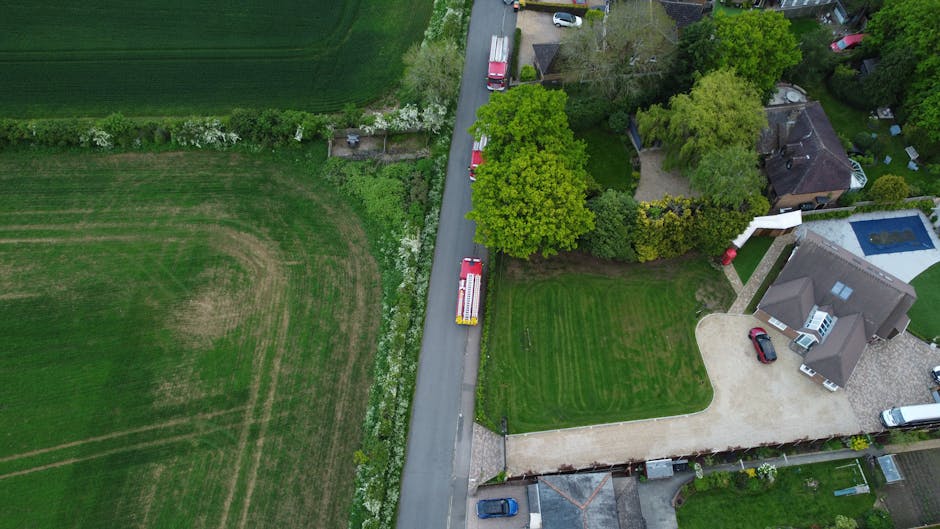
Access survey tips for Barnehurst removals on narrow drives
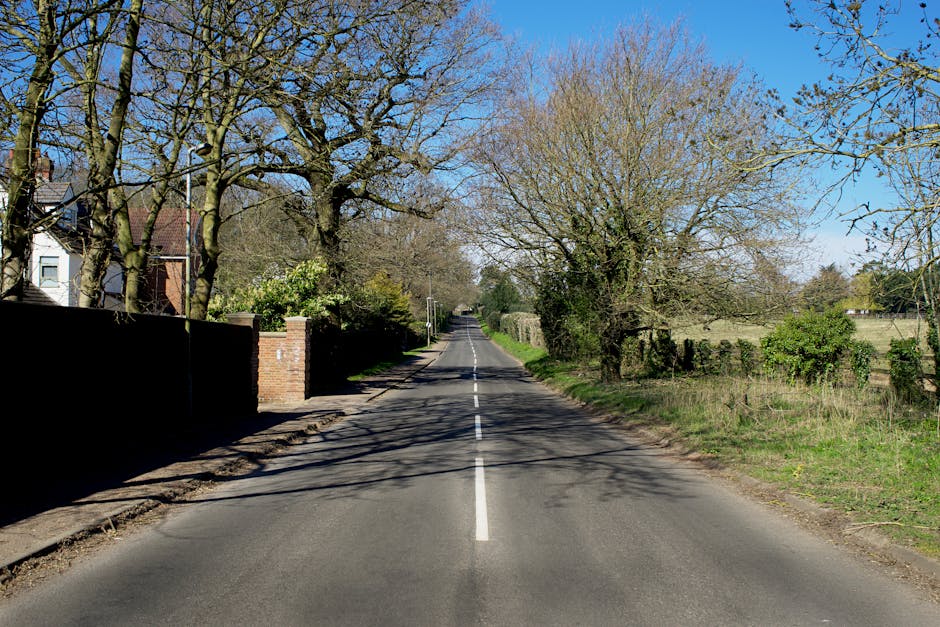
If you are planning a move in Barnehurst and the drive is narrow, awkward, or just a bit too tight for comfort, an access survey can save you a world of hassle. Access survey tips for Barnehurst removals on narrow drives are not glamorous, but they are the difference between a calm moving day and a van blocking the pavement while everybody starts second-guessing the plan. Truth be told, most delays on local moves come down to access, not lifting.
This guide explains what an access survey is, why it matters, how it works in a real Barnehurst setting, and what to check before moving day. You will also find practical examples, a comparison table, common mistakes, and a checklist you can actually use. No fluff. Just the kind of detail that helps when the front path is narrow, the neighbour's hedge leans a little too far, and the van needs room to breathe.
- Why this matters
- How an access survey works
- Key benefits and practical advantages
- Who needs it and when
- Step-by-step guidance
- Expert tips
- Common mistakes to avoid
- Tools, resources and recommendations
- Law, compliance, standards, or best practice
- Options and comparison
- Case study or real-world example
- Practical checklist
- Conclusion
- Frequently asked questions
Why Access survey tips for Barnehurst removals on narrow drives Matters
A narrow drive can look manageable at first glance. Then moving day arrives, the van turns in, and suddenly there is not enough room to swing a corner, open the tail lift properly, or keep the route clear for pedestrians. That is where an access survey earns its keep. It identifies the practical constraints before the team arrives, so the move can be planned around real conditions rather than hopeful assumptions.
In Barnehurst, the issue is often less about distance and more about geometry. A drive might be short but tight, a front garden wall might reduce turning space, or a parked car across the road may mean the removal vehicle has to stop further away than expected. Sounds small. It isn't. A few metres can change the whole load plan.
Access surveys are especially useful if your property has any of the following:
- a narrow or sloping drive
- restricted street parking
- low branches, walls, or gates
- shared access with neighbours
- long carry distances from van to front door
- steps, uneven paving, or tight internal hallways
And here is the real point: a move that is planned around access is usually calmer, quicker, and cheaper to execute than one that relies on guesswork. Not always dramatic, but very often smoother. You will notice the difference the minute the crew can get on with it instead of improvising.
How Access survey tips for Barnehurst removals on narrow drives Works
An access survey is a practical check of how removal vehicles, movers, and household items will actually get in and out of your property. It is not just a quick glance at the front of the house. A proper survey looks at the whole route from road to room and back again.
For narrow drives, the survey usually covers:
- Vehicle approach: can the van turn in, reverse safely, or park close enough?
- Drive width and length: will the vehicle fit without scraping walls, fences, or overhanging greenery?
- Manoeuvring space: is there enough room to open doors, use ramps, or position trolleys?
- Walking route: how far will items need to be carried if the van cannot sit right outside?
- Obstacles: bins, posts, cars, steps, gates, cameras, or awkward corners.
- Internal access: hallway turns, stair widths, door frames, and tight landings.
To be fair, the best access surveys are a bit boring in the best possible way. They remove surprises. A mover might ask for photos, video clips, measurements, or a short site visit. Sometimes a quick walk-through is enough. Other times, particularly on tighter Barnehurst streets, a physical check makes much more sense.
If the access is borderline, the survey also helps decide whether a smaller vehicle, a second shuttle trip, extra crew, temporary parking arrangements, or more time on site will be needed. That is not overcautious. That is sensible planning.
Key Benefits and Practical Advantages
Done properly, an access survey gives you a few very concrete advantages. Not theoretical ones. Real ones you feel on the day.
- Fewer delays: the team arrives with a plan that matches the property.
- Better vehicle choice: a smaller van, a longer wheelbase, or a different loading setup may suit narrow access better.
- Lower risk of damage: walls, gates, and vehicle bodywork are less likely to take a knock.
- More accurate quoting: access affects labour time and the number of trips required.
- Better neighbour relations: fewer parking conflicts and less blocking of shared drives or pavements.
- Less moving-day stress: everyone knows what to expect, which is half the battle.
There is also a quieter benefit that people tend to overlook: confidence. When you know the plan has been checked against the actual property, you stop worrying about the what-ifs. That matters more than most people admit.
Practical takeaway: if a narrow drive could affect where the van parks, how far items are carried, or whether a larger vehicle can reverse safely, the access survey is not optional in spirit. It is the foundation of a smoother move.
Who This Is For and When It Makes Sense
Access survey tips for Barnehurst removals on narrow drives are relevant to more people than you might think. If your property feels at all awkward for a van, you are in the target group. Simple as that.
This is especially useful if you are:
- moving from a terraced or semi-detached property with limited frontage
- living on a road where parking is already tight
- sharing a driveway with another household
- moving large furniture through narrow hallways or staircases
- dealing with a long carry from van to house
- moving at short notice and need the access plan locked down quickly
It is also worth doing if you are not sure the move will be straightforward. That uncertainty alone is enough. A lot of people wait until the packing boxes are stacked in the hallway before they think, hang on, will a van actually fit here? By then it is late in the game.
If you are comparing services, access planning can help you distinguish between a removals team that really thinks ahead and one that just hopes for the best. Not exactly the same thing.
Step-by-Step Guidance
Here is a practical way to handle access survey preparation without overcomplicating it.
- Measure the access route. Check the width of the drive, gate openings, and any narrow points along the path to the property.
- Note obstacles. Record low walls, bollards, overhead branches, overhead cables, parked cars, bins, and tight turns.
- Check the road outside. Is parking possible directly outside, even for a short stop? If not, how far is the nearest workable space?
- Look at the ground surface. Steep slopes, loose gravel, wet paving, or broken slabs can affect trolley use and foot traffic.
- Inspect internal pinch points. Measure door widths, staircase landings, and corners where larger items may snag.
- Take clear photos. A few honest pictures in daylight help far more than a vague description.
- Share the awkward bits early. If a vehicle may need to reverse in, say so. If the gate catches, say so. The slightly awkward details are the useful ones.
- Ask how the mover would handle it. A good team should be able to explain the plan plainly, not in jargon.
A good rule of thumb: if you would hesitate while driving a family car into the space, a removals van will probably need even more care. That sounds obvious, but people do forget it in the rush of moving week.
And yes, sometimes a simple phone video walking from the pavement to the front door tells the whole story. Almost too simple, but it works.
Expert Tips for Better Results
If you want the access survey to be genuinely useful, make it specific. Vague information creates vague planning, and vague planning is how moving day gets messy.
- Take measurements at the tightest points. Do not just measure the widest part of the drive and hope for the best.
- Measure during daylight. A narrow drive looks even tighter after dark, and poor visibility hides trip hazards.
- Include vehicle height risks. Overhanging branches, canopies, and low cables can matter just as much as width.
- Think about loading order. If access is restricted, heavy or awkward items should usually be loaded first.
- Leave room for bins and neighbours. On a residential street, small obstructions can snowball quickly.
- Ask about shuttle moves. If the van cannot park close enough, a smaller vehicle or hand transfer may be the safer option.
One thing we often see: people focus on the van getting in, but forget the van getting out. That second part can be the more awkward move, especially if another car arrives or a neighbour leaves their vehicle in a funny spot. Small detail, big impact.
Also, if you have bulky furniture, tell the team early. A wardrobe that fits through the hallway on paper can still catch on a turn. It happens. More often than you'd think.
Common Mistakes to Avoid
Most access problems are preventable. The tricky part is that they are often preventable in very ordinary ways.
- Guessing instead of measuring. "It should be fine" is not a plan.
- Forgetting about street parking. The drive might be narrow, but the road outside may be the real issue.
- Ignoring internal access. A roomy driveway does not help if the sofa will not turn into the hallway.
- Leaving out photos. Clear images show what words sometimes miss.
- Not mentioning slope or surface condition. Wet steps and uneven paving change the risk profile.
- Assuming every removals van is the same. A larger vehicle may save trips, but it can make tight access worse.
- Leaving access notes until the morning of the move. By then, the team may already be on route and the options are more limited.
A slightly funny truth from the field: the most optimistic measuring tape in Britain is the one that appears during house moves. It is amazing how often a "tight but fine" space turns out to be, well, not fine at all.
So be honest. Be detailed. It saves everyone trouble.
Tools, Resources and Recommendations
You do not need specialist kit to prepare a good access survey. A few everyday tools are usually enough.
| Tool or resource | Why it helps | Best used for |
|---|---|---|
| Metal tape measure | Gives reliable width and height measurements | Drive width, gate openings, doorways, stair landings |
| Phone camera | Shows layout, turning space, and obstacles clearly | Sharing access photos with the removals team |
| Short video walkthrough | Captures the full route in one go | Useful for tight drives and awkward corners |
| Notebook or notes app | Keeps measurements and observations in one place | Comparing access details before the quote is agreed |
| Floor plan or rough sketch | Helps map the route from van to room | Planning bulky-item removal and loading order |
If you are preparing for a broader move, it can also help to use related planning pages on the website such as pricing and quotes, insurance and safety, and health and safety policy. These are useful companion reads when you want the moving plan to be tidy, not just hopeful.
For packing and load preparation, the page on packing and unpacking services can also help if access issues mean items need to be prepared in a more structured way. And if your move is part of a bigger household transition, the main home moves service overview gives a broader picture of how everything fits together.
Law, Compliance, Standards, or Best Practice
Access surveys are mostly about practical planning, but they sit alongside real-world duties around safety, property care, and considerate use of public space. In the UK, a removals team should work in a way that reduces risk to people, property, and nearby road users. That usually means sensible route planning, safe loading methods, and clear communication about obstacles and parking constraints.
For Barnehurst streets, the best practice approach is simple:
- do not block access without warning where avoidable
- do not assume a vehicle can park wherever it likes
- share known risks before the job starts
- use equipment and staffing levels that suit the access conditions
- protect walls, gates, floors, and steps during the move
If access is tight enough that parking or unloading may affect neighbours or the public highway, plan early and communicate clearly. Where local parking rules, time restrictions, or permits may be involved, check in advance rather than leaving it to the last minute. That bit alone can prevent a lot of headaches. And parking fines, frankly, are a dreadful way to start a new home chapter.
If you want to read more about how the business approaches standards and trust, the site's about us page and terms and conditions can provide helpful context. For service accountability, complaints procedure and contact us are also useful pages to know about before move day.
Options, Methods, or Comparison Table
There is more than one way to handle a narrow drive. The right option depends on the property, the size of the load, and how much room the vehicle actually has to work with.
| Method | Best for | Pros | Limitations |
|---|---|---|---|
| Full-size removal van direct access | Wider drives and clear turning space | Efficient loading, fewer hand carries | Can be risky on narrow or awkward entrances |
| Smaller van or shuttle vehicle | Tight drives and restricted street parking | Better manoeuvrability, less access strain | May need extra trips |
| Park-and-carry setup | Limited frontage or temporary parking access | Flexible and often safer for the vehicle | More labour time and longer move duration |
| Pre-positioned loading with staggered items | Bulky or awkward furnishings | Good for planning heavy items first | Needs careful sequencing |
There is no single best answer here. A narrow drive does not automatically mean a smaller job, but it usually means a smarter one. If the space is tight enough, a more nimble setup is often the calmer choice.
Case Study or Real-World Example
Here is a realistic example. A Barnehurst household was moving from a semi-detached property with a short driveway and a shared frontage. At first glance, the drive looked usable, but there was a hedge on one side, a low wall on the other, and not much turning room once a car was in place. The hallway inside had one awkward bend near the stairs. The kind of place that looks fine until you start trying to move a wardrobe through it.
The access survey identified three issues straight away:
- the main vehicle would struggle to reverse fully onto the drive
- street parking directly outside could not be guaranteed all day
- the largest bedroom furniture would need to be loaded before smaller items
The solution was simple but effective. The movers used a smaller vehicle approach for the tight section, arranged the loading order so the heaviest pieces were handled first, and planned a short carry path from the nearest practical parking position. Nothing dramatic. Just good planning.
The move still took concentration, but the day stayed controlled. No scrambling, no shouting across the pavement, no panicked "can it fit if we turn it sideways?" moment. That sort of thing is worth quite a lot.
Practical Checklist
Use this checklist before your removals team arrives. It is straightforward, but that is exactly why it works.
- Measure the narrowest point of the drive.
- Measure gate openings and any side access routes.
- Check for low branches, overhangs, and cables.
- Note whether the drive slopes or has uneven paving.
- Photograph the access route in daylight.
- Check where a van could legally and safely park.
- Identify any shared access or neighbour pinch points.
- Measure doors, hallways, stairs, and turns inside the property.
- Flag bulky items that may need special handling.
- Share all access notes before moving day, not on the morning of it.
Quick reminder: if you are uncertain about even one part of the route, mention it. A tiny uncertainty can become a big delay once the van is outside and everyone is watching the gap. Nobody enjoys that moment. Nobody.
Get a free quote today and see how much you can save.
Conclusion
Access survey tips for Barnehurst removals on narrow drives are really about one thing: turning uncertainty into a workable plan. When the drive is tight, the road is busy, or the house layout is awkward, a proper access check gives you control before the first box is lifted. That is the real value.
If you take nothing else from this guide, take this: measure early, be honest about the difficult bits, and think through the whole route from pavement to room. It saves time, protects property, and makes the move feel far less chaotic. And honestly, that calm feeling on the morning of the move is worth a great deal.
When the details are right, everything tends to flow a little easier. A bit less stress. A bit more confidence. That counts for a lot.
Frequently Asked Questions
What is an access survey for a removals job?
An access survey checks how a removals team will reach the property, park, load, and move items safely. It looks at the drive, road, gates, stairs, doorways, and any obstacles that could slow the move or increase risk.
Why are narrow drives such a problem for removals vans?
Narrow drives can limit turning space, make reversing awkward, and increase the chance of contact with walls, fences, or parked cars. They can also force longer carrying distances if the van cannot park close enough to the property.
Should I measure the drive before asking for a quote?
Yes, if you can. Even basic measurements help a removals team judge whether a larger vehicle will fit or whether a smaller van or shuttle setup would be more practical. It also improves quote accuracy.
What should I photograph for an access survey?
Take photos of the driveway, gate, street outside, any low branches or overhangs, steps, and the route from the front door to the van position. Clear daylight images are best because they show the real layout and any pinch points.
How much detail do movers need about access problems?
As much as you can give, especially if the access is tight. Mention slopes, shared drives, parking restrictions, awkward turns, and any furniture that may be difficult to carry. Small details can change the moving plan quite a lot.
Can a narrow drive mean I need a smaller van?
Sometimes, yes. A smaller vehicle may be easier to position and safer to manoeuvre on a tight drive. That does not always mean more cost overall, because it can reduce delays and the risk of damage.
What if the van cannot park outside my house?
If that happens, the team may use the nearest practical parking space and carry items a short distance, or switch to a shuttle-style arrangement with a smaller vehicle. It is better to plan for this in advance than to discover it on moving day.
Do internal stairs and hallways matter as much as the driveway?
Absolutely. You can have excellent outside access and still struggle if a sofa will not turn on the landing or a wardrobe catches on the stairwell. A good survey looks at both the outside and the inside route.
How early should I arrange an access survey?
As early as possible, ideally when you start collecting quotes. Early access planning gives time to sort parking, vehicle size, packing order, and any special handling requirements without rushing.
What is the biggest mistake people make with narrow drive removals?
The biggest mistake is assuming the access will be fine without checking it properly. That usually leads to delays, last-minute parking issues, or a vehicle that is simply too large for the space. A quick survey avoids a lot of pain.
Are access surveys only needed for house moves?
No. They are also useful for office moves, bulky-item removals, furniture pick-ups, and any job where a vehicle needs to reach a property safely. Tight access causes problems in commercial and domestic moves alike.
Can I combine access planning with other moving services?
Yes, and that often makes sense. If you are also looking at packing help, storage, or larger home-moving support, it is worth considering the whole move together so the access plan and service plan match properly.
Where can I learn more about removals services and moving preparation?
You can explore related pages such as removal services, removals, and removal company if you want to compare options and understand how the service is structured.
Is it worth discussing access if the drive only looks slightly tight?
Yes. Slightly tight can still become operationally awkward once a van, a mover, a bin, and a neighbour's car all enter the picture. It is better to have the conversation early than to rely on guesswork later on.